Traveling to Upper Mustang is a unique experience filled with ancient culture, stunning landscapes, and peaceful mountain villages. This guide shares important travel tips, what to expect, and how to prepare for a comfortable and memorable journey.
A journey to Upper Mustang is unlike any other travel experience in Nepal. Often referred to as the “Last Forbidden Kingdom,” this remote region offers a rare combination of dramatic desert landscapes, centuries-old monasteries, and a strong connection to Tibetan culture that has remained preserved for generations.
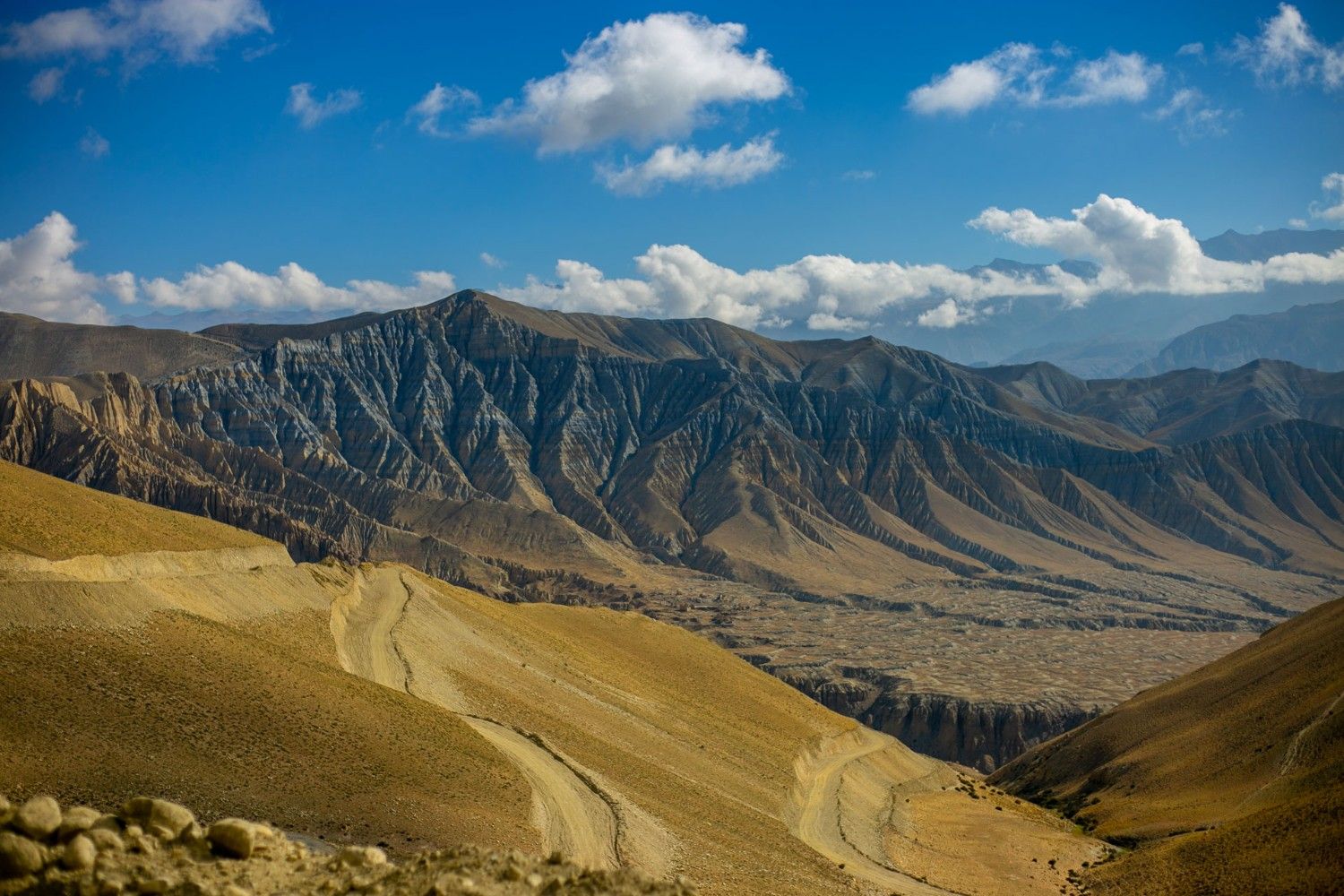
Unlike the lush green hills found in other parts of Nepal, Mustang’s terrain is dry, rugged, and almost otherworldly. As you travel deeper into the region, especially toward places like Lo Manthang, you’ll notice a shift not just in scenery, but in lifestyle, architecture, and traditions. It feels less like a typical destination and more like stepping into a different era.
However, because of its remote nature, traveling to Upper Mustang requires a bit more preparation than most trips. Being aware of what to expect will help you stay comfortable and fully enjoy the experience.
Important Things to Know
Long travel hours:
Be prepared for 5–8-hour drives on uneven and dusty roads. It can be physically tiring, so patience and flexibility are important.
Cash is essential:
There are no reliable ATMs beyond Pokhara. It’s best to carry enough Nepali rupees for your entire journey, including small expenses at tea houses.
Altitude awareness:
While not as extreme as the Everest region, Mustang still involves higher elevations. Walk at a steady pace, stay hydrated, and inform your guide if you feel discomfort.
Weather conditions:
The region is dry, windy, and often dusty. A scarf or mask, sunglasses, and layered clothing will make your trip much more comfortable.
Limited connectivity:
The Internet and mobile networks are weak or sometimes unavailable. It’s a good idea to inform family in advance and be prepared to disconnect.
Simple accommodation:
Tea houses are basic, with simple rooms and shared facilities. What they lack in luxury, they make up for with warmth, hospitality, and authentic local experiences.
Cultural sensitivity matters:
Mustang is rich in tradition and spirituality. Always ask before taking photos, especially of people or inside monasteries, and respect local customs.
Best Time to Visit
Spring (March–May):
Comfortable temperatures, clear views, and a pleasant atmosphere for travel.
Autumn (September–November):
Stable weather, crisp air, and some of the best visibility for mountain and landscape views.
What truly makes Upper Mustang special is not luxury, but authenticity. The quiet villages, ancient traditions, and untouched landscapes create an experience that feels raw, real, and deeply memorable.
If you go with an open mind and the right expectations, Upper Mustang won’t just be a trip it will be a journey you’ll remember for years to come.

Written by
EnaNepal travel writer & trekking enthusiast. Covering the best of Himalayan adventures since 2019.