
A complete month-by-month breakdown of Nepal's seasons to help you plan the perfect trip.
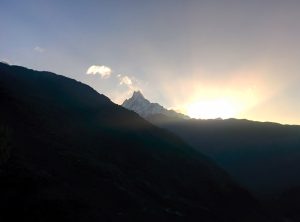
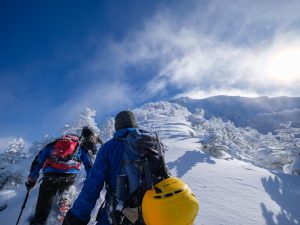
Nepal’s climate is as varied as its landscape, ranging from subtropical lowlands in the Terai to arctic conditions above 8,000 metres. The country experiences four distinct seasons, each offering a dramatically different travel experience. Spring (March–May) and autumn (October–November) are widely considered the best windows for trekking, as the skies are clear, temperatures are moderate, and mountain views are at their sharpest. During these months, trails like Everest Base Camp and the Annapurna Circuit are alive with colour — rhododendrons bloom in spring and the air carries a crisp, post-monsoon clarity in autumn.
Monsoon season (June–September) brings heavy rains to most of Nepal, turning trails muddy and rivers powerful. While leeches and limited visibility deter many trekkers, the season has its own magic: terraced rice fields turn a brilliant green, waterfalls surge with force, and destinations in the rain shadow — such as Upper Mustang and Manang — remain accessible and surprisingly dry. Winter (December–February) is cold at altitude but ideal for visiting Kathmandu, Chitwan, and Pokhara, where temperatures remain pleasant and crowds are sparse.
Understanding Nepal’s weather patterns at a regional level is key to a successful itinerary. The Himalayas create a vast barrier against monsoon clouds, meaning that areas north of the main range — Mustang, Dolpo, Manang — receive far less rain than the southern slopes. For wildlife enthusiasts, the dry season (February–April) in Chitwan and Bardia National Parks offers the best chance of spotting rhinos and tigers as animals congregate around shrinking water sources. Whatever month you choose to visit, Nepal rewards patience, flexibility, and a willingness to embrace whatever weather the mountains decide to serve.