
Chitwan National Park is Asia's premier wildlife destination — here's everything you need to plan your perfect safari.
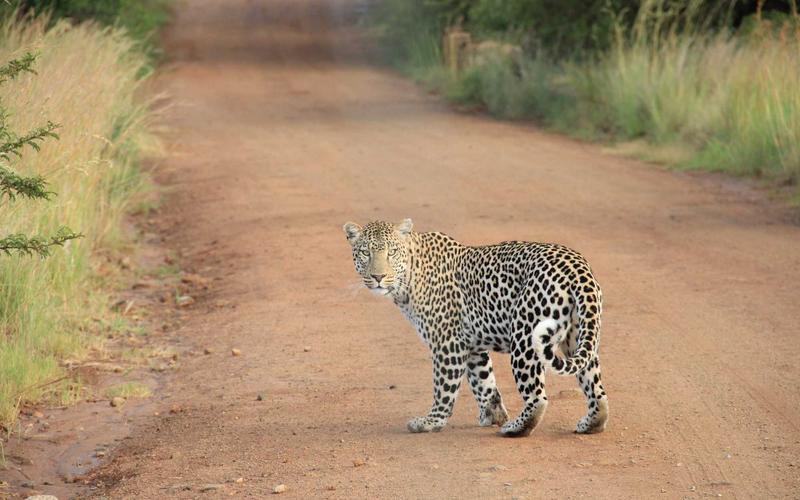
Chitwan National Park, established in 1973 and designated a UNESCO World Heritage Site in 1984, sprawls across 932 square kilometres of pristine Terai lowland in southern Nepal. It is home to one of the last remaining populations of the one-horned Asian rhinoceros, with more than 700 individuals roaming its grasslands and riverine forests. Bengal tigers, elusive and magnificent, number over 100 — one of the highest densities anywhere in their range. Wild elephants, sloth bears, leopards, gaurs (Indian bison), four species of deer, and over 600 species of birds complete an extraordinary wildlife roster. Coming to Chitwan is not a gamble; it is a near-certainty that you will have significant wildlife encounters.
The standard Chitwan experience combines jeep safaris and canoe trips on the Rapti and Narayani rivers. Jeep safaris venture deep into the park at dawn and dusk — the hours when animals are most active — along a network of tracks through tall elephant grass and dense Sal forest. A skilled naturalist guide can spot a rhino browsing in the shade at 200 metres, identify a gharial crocodile sunbathing on a sandbank, and locate a tiger’s paw prints in the dust. Canoe trips, paddling silently downstream while mugger crocodiles slide off the banks, are particularly atmospheric and offer outstanding birdwatching — the park’s avifauna includes the endangered Bengal florican, giant hornbill, and numerous kingfisher species.
Most visitors stay in one of the lodges and resorts concentrated around the gateway town of Sauraha on the northern boundary of the park. Accommodation ranges from budget guesthouses (USD 15–30 per night) to luxury jungle lodges such as Meghauli Serai and Tiger Tops (USD 300–600 per night, all-inclusive). The best safari months are February to April, when the tall grass is cut during the harvest festival and visibility improves dramatically, and October to November, which aligns with Nepal’s peak trekking season. Avoid visiting during the monsoon (June–September) when the park itself is closed and the roads can be impassable. Allow at least two full days in the park — three is ideal — to maximise your chances of seeing the full range of wildlife Chitwan has to offer.