Safety, common scams, and advice for female and LGBTQ travellers Is Nepal generally safe to travel to? The vast majority of travellers visit Nepal without any problems at all. Crime rates in the country are relatively low, and serious crimes involving tourists are rare. However, you should stay aware and minimise your risks by sticking
Safety, common scams, and advice for female and LGBTQ travellers
Is Nepal generally safe to travel to?
The vast majority of travellers visit Nepal without any problems at all. Crime rates in the country are relatively low, and serious crimes involving tourists are rare. However, you should stay aware and minimise your risks by sticking to safer areas – ask for some local advice at your hotel or from your guide if you’re ever unsure of where to go.
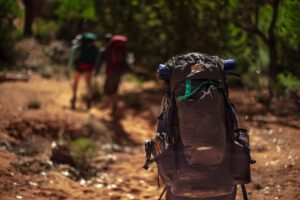
When trekking, weather conditions can change quickly, and tourists do sometimes run into problems, especially in the mountains, where altitude sickness can be a factor. You should consider booking in advance and enlisting a professional guide.
The roads in Nepal are not as safe as those in many wealthier countries, and accidents do happen. If you book with a trustworthy transport provider, then you can minimise your risk.
Common tourist scams
Nepal is not a wealthy country, and many Nepalis exist on very low incomes by Western standards. Whilst most Nepalis are honest and law-abiding, the temptation to make a quick buck from ‘rich’ tourists is perhaps understandable, and there are some pretty underhanded scams to watch out for.
- Credit card scams. Sadly, this is now common all over the world. Don’t let your card out of your sight when making purchases, and be wary of ATMs that look like they may have been tampered with. Criminals can clone your card and make expensive purchases or cash withdrawals, so call your bank if you notice anything unusual.
- Taxi scams. Either agree on a fee up front or insist on having the meter turned on to avoid being overcharged. If there’s no meter, then it may not be an official taxi. Taxi drivers may also pretend not to know where your hotel is so that they can take you to a different hotel and earn a commission – keep the hotel number handy and ask the driver to call them if unsure. If anyone else tries to jump into the taxi with you, it is usually to try to sell you something, and you should insist that they leave.
- ‘Free’ service scams. You’ll often be approached by seemingly kind people offering to give you a free tour or help you with your bags at the airport. Be aware that a tip is expected, and things can get heated if you refuse. It’s best to say ‘no’ before any service has been provided.
- Begging scams. Many people in Nepal are in genuine need, but others treat begging as a business to exploit kind-hearted tourists. Look out for mothers asking you to buy baby formula from a nearby shop, as you’ll likely be grossly overcharged, and don’t accept invitations to visit someone’s home if you don’t know them. It could just be a way of pressuring you into giving money.
If you want to help, it is best to give to a recognised charity that will make sure your money goes to those who really need it.
- Massage scams. A post-trek massage can be a real treat for aching muscles, but do your research beforehand and avoid massage ‘touts’. There are several unofficial massage parlours that will overcharge for a very amateur massage.
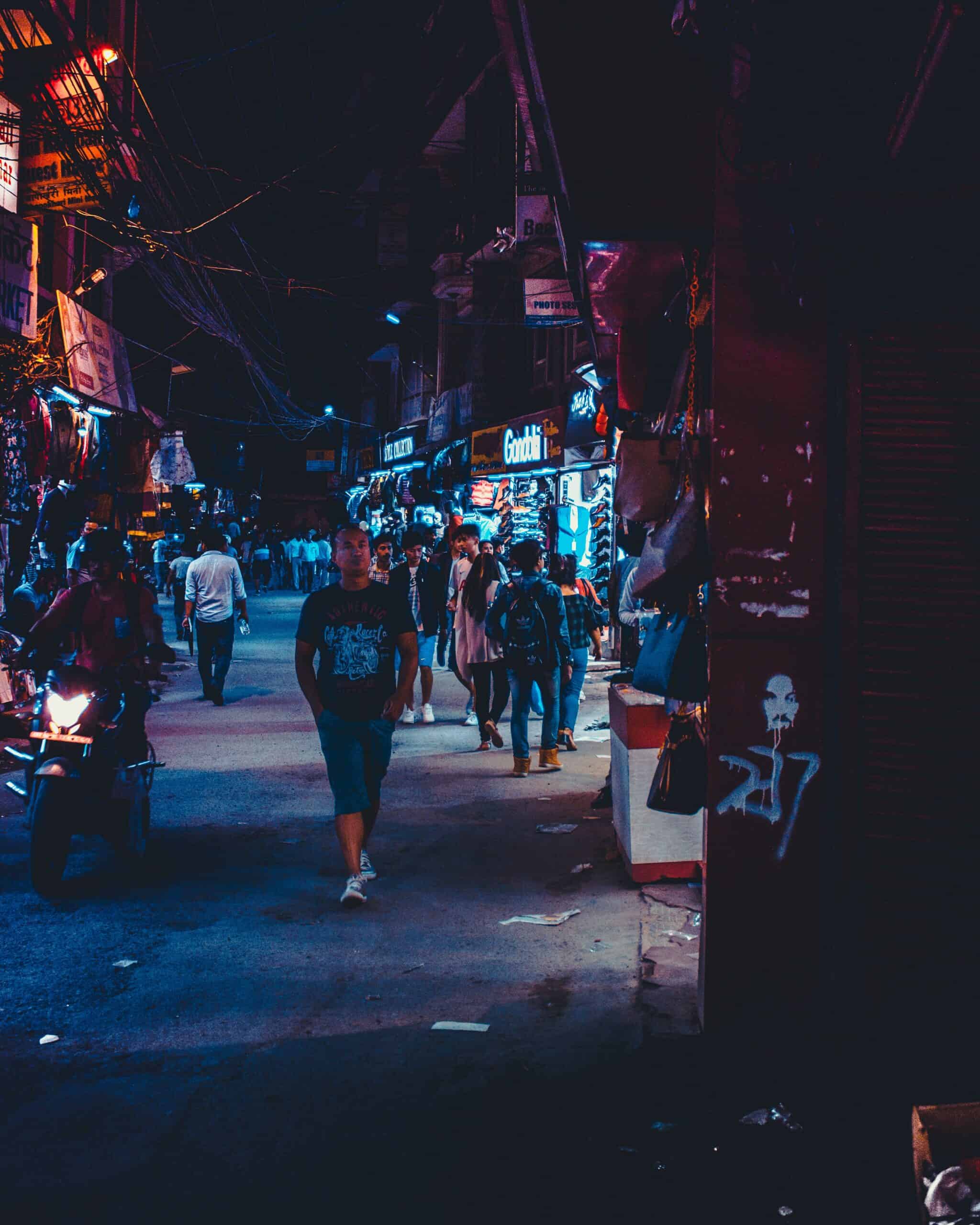
- Thamel scams. Kathmandu’s tourist zone has a history of scams, and you should be very careful, especially at night. Stick with your group, never leave your drink unattended, and don’t sign up for any tours or activities with people who approach you in the street.
Drugs in Nepal
You may be offered drugs in Nepal, particularly in the Thamel neighbourhood of Kathmandu.
At the risk of sounding like an 80’s school video, JUST SAY NO!
Punishments for drug possession are very harsh in Nepal, even for softer drugs like hashish, so you’ll be taking a big risk even by getting into a conversation with a drug dealer. Following a dealer to a quiet place for any exchange will also make you vulnerable to other scams or robbery, so it’s best just to steer clear altogether
Is Nepal safe for female travellers?
In general, Nepal is a safe place for women to travel. Even solo female travellers are unlikely to encounter many issues, and are likely to find most Nepalese people to be respectful, friendly, and helpful.
However, as in every country, there are bad people around, and you should be aware of cultural differences. The portrayal of Western women in movies can create misconceptions, and unwanted advances do take place, most commonly at night and in bars. Fortunately, these instances are rare, but you should maintain your guard and stay in a group if possible.
It is a sad fact of life, but dressing more modestly will improve your chances of avoiding bother. Exposed shoulders and thighs can attract the wrong kind of attention, especially as this isn’t common in Nepalese culture.
If you need any further advice or would like to discuss arranging a female trekking guide for your trip, then feel free to get in touch with the Travel Nepal team.
Is Nepal safe for LGBTQ travellers?
Generally speaking, LGBTQ travellers are unlikely to encounter many problems in Nepal.
In fact, Nepal is the only country in the region that doesn’t criminalise same-sex relations and facilitates a ‘third gender’ in all official documents. This is a sign of an increasingly liberal attitude from the Nepalese government in recent years.
Things aren’t perfect, of course, and traditional attitudes are still held by many, especially in more rural areas. Whilst some Nepalis may disapprove of same-sex relationships, couples will rarely be harassed because of it. You’ll find most Nepalis to be open and accepting.
You can feel free to be somewhat affectionate and hold hands in public (this is common in Nepal, even between heterosexual men), but passionate kissing and touching are best saved for your hotel room. Nepal remains a relatively conservative country, and this advice applies to couples of any gender and sexuality.
(You can read our guide on Nepal LGBT travel here)
How to contact the Emergency Services in Nepal
If you book with a reputable company, you’ll usually be given an emergency contact number. However, if you find yourself in a position where you need to contact the Emergency Services directly, the relevant numbers are below.
Police: Dial 100
Fire: Dial 101
Ambulance: Dial 102
We recommend saving these numbers on your phone before travelling to Nepal.
Need a little help?
Get in touch with the TravelNepal team for planning and travel advice. Contact us!

Written by
Travel NepalNepal travel writer & trekking enthusiast. Covering the best of Himalayan adventures since 2019.